

For decades the pharmaceutical industry has attempted to treat polyclonal, highly heterogeneous solid tumors through targeting a single antigen or receptor on the tumor or through simply by releasing PD1 or PDL-1 pathways that take the brakes off of cytotoxic T-cells. This approach has not worked. The clinical graveyard is littered with the casualties of this short-sighted dogma which results from a desire to manufacture easy-to-produce and off-the-shelf small molecules or simplistic peptides. As an investor it’s understandable why management teams would pursue these high margin avenues, though like a gold mine which has been under excavation for 100 years, it’s simply time for industry to go up the value chain.
We see this is especially in heterogeneous (expressing a diverse and large number of antigens and mutated in-vivo neoantigens) and immunologically cold (the tumor microenironment hides such antigens easily from the adaptive immune system). The biological reality has repeatedly punished single-target peptide vaccines and CAR-T modalities in cold solid tumors such as glioblastoma (GBM). For Glioblastoma we can see that outcome in the 2016 failure of rindopepimut (targeting EGFRvIII) to recent Phase III misses like SurVaxM (targeting survivin).
Solid tumors, which comprise approximately 80-90% of all cancers, are evolutionary moving targets because antigens that may appear understood though next-generation sequencing, or AI antigen prediction, in fact mutate in the patient becoming unpredictable neoantigens. This means when you build a therapeutic weapon around one or two antigens, the tumor simply sheds or downregulates those targets, rendering the treatment obsolete. This explains out of hundreds of attempts to treat Glioblastoma only two treatments have some positive results for these patients which include the often-disliked Optune and perennially discounted DCVax-L.
Northwest Biotherapeutics are arguably the most heavily debated biotechnology stock to ever exist. Today they are priced for bankruptcy due to heavy dilution as well as an over 1000-day evaluation of their MAA application in the United Kingdom. Yet it’s important to understand that UK’s MHRA has had plenty of time to reject the application. Questions were asked about the approval process by MPs on Hansard. MHRA itself confirmed, through an 8K in July 2026, that:
“The Marketing Authorisation Application submitted by Northwest Biotherapeutics, Inc. for DCVax-L (for glioblastoma) remains under its initial regulatory review, has not been refused, withdrawn or appealed, and continues to progress towards a first regulatory decision.”
This author and model assumes that approval will be forthcoming given recent events with the NHS which will be discussed later in this article. The math may seem shocking given the current share price but by leveraging the master cells of the immune system (dendritic cells) loaded with a patient’s own whole-tumor lysate, DCVax-L bypasses the single-target trap entirely which the author believes will allow it to reach at least the level of market penetration as Keytruda if not surpass it entirely. Brutal dilution during pre-commercial phases are standard features of breakthrough biotechnology. In the mid-1980s Amgen faced severe capital constraints, crushing stock drawdowns, and forced licensing/financing pivots, including selling European rights to Kirin Breweries, simply to fund commercialization for EPO and Neupogen. Early investors endured years of severe unrealized paper losses. Commercializing first-in-class oncology platforms follows that exact capital-intensive trajectory.
Following that same pattern Northwest Biotherapeutics has been a cash incineration machine for investors who bought and sold in a state of emotional panic. The cycle of investor emotions are a well known phenomenon which fundamental analysis seeks to mitigate. I hope that by reading this article, and reviewing my Discounted Cash Flow (DCF) mode, investors will be able to avoid noise and see the fundamental value present in this company. Rather than asking what a company earns today, which is nothing so they are subject to negative carry and horrendous monthly dilution, a proper DCF maps out its multi-year operational scale, discounts those future cash flows back at an appropriate cost of capital, and translates long-term enterprise value directly into a present-day per-share intrinsic value. DCF models should remove emotional turbulence to answer the only question that really matters for asymmetric investing: What is this entire platform worth today if the execution roadmap plays out tomorrow?
This analysis presents an admittedly aggressive, given the company’s current share price, yet mathematically-accurate Discounted Cash Flow (DCF) model. Moving past boutique, single-indication retail models which only model valuation based upon a single year’s revenue, this framework prices the company as a global oncology and platform infrastructure. I estimate it will match or beat Keytruda in market penetration. I account for revenue after UK MHRA approval, posit the company will achieve a global GBM roll out within 12 months of initial UK approval, achieve tumor-agnostic label expansion by Year 3, and launch dendritic-cell-based products that treat infectious and autoimmune diseases by Year 7. As biotechnology companies are binary events, while the company has dealt with astronomical dilution, this model should only be considered useful on MHRA approval for DCVax-L.
I. The Science Behind Whole Tumor Lysate
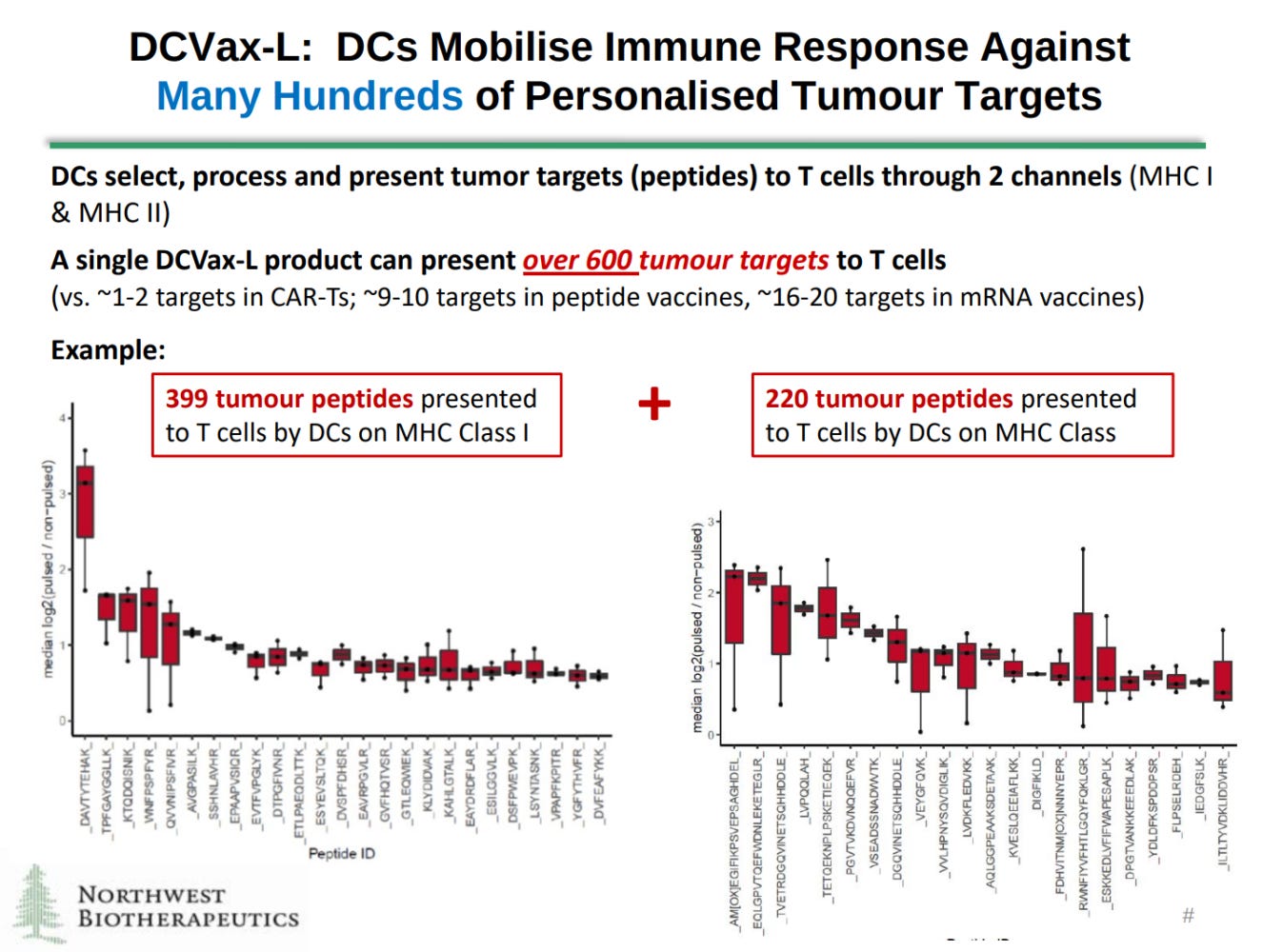
Of course before evaluate the model one must begin with an understanding of the science. In October 2026 Northwest Biotherapeutics was invited to give a keynote presentation before the UK National Health Service at their annual cancer conference. Marnix Bosch, Chief Technology Officer, noted that while mRNA vaccines deliver 16-20 targets, peptide vaccines deliver 9-10, and CAR-Ts target 1-2, a single DCVax-L product presents over 600 tumor peptides across MHC Class I and II pathways. These insights were also presented at ASCO 2023 Industry Expert Theater. They are based upon proteomic analysis which is the study of proteins on cells. Through this data the scientific, medical, and investor communities now understand the DCVax Mechanism of Action. The fact that DCVax presents so many peptides, which are groups of proteins, means it can target many antigens or neoantigens shown on tumor cells. This ensures that the adaptive immune system attacks the entire antigenic repertoire of the tumor. This is essential as it prevents the tumor from downregulating (removing from its surface) a single or subset of antigens.
We now know that the company found, through TCR sequencing of treated patients, hundreds to over 1,200 newly expanded T-cell clones at months 4–8 (compared to a baseline background of 2–20 in unstimulated individuals). Pre-and post-treatment histology confirms robust CD4+ (helper) and CD8+ (cytotoxic) T-cell infiltration directly into the tumor core following a simple intradermal injection in the arm. What does this mean? It indicates that the T-cells, engineered by the autologous DCVax-L product, successfully traverse the blood-brain barrier, and enter the tumor, under their own power. It is important to note that T-cell expansion (the clones) means a durable immune response exists beyond the single dose. It provides an advantage over CAR-T therapy which only introduces a single generation of engineered T-cells into the patient. They do not replicate after that initial treatment.
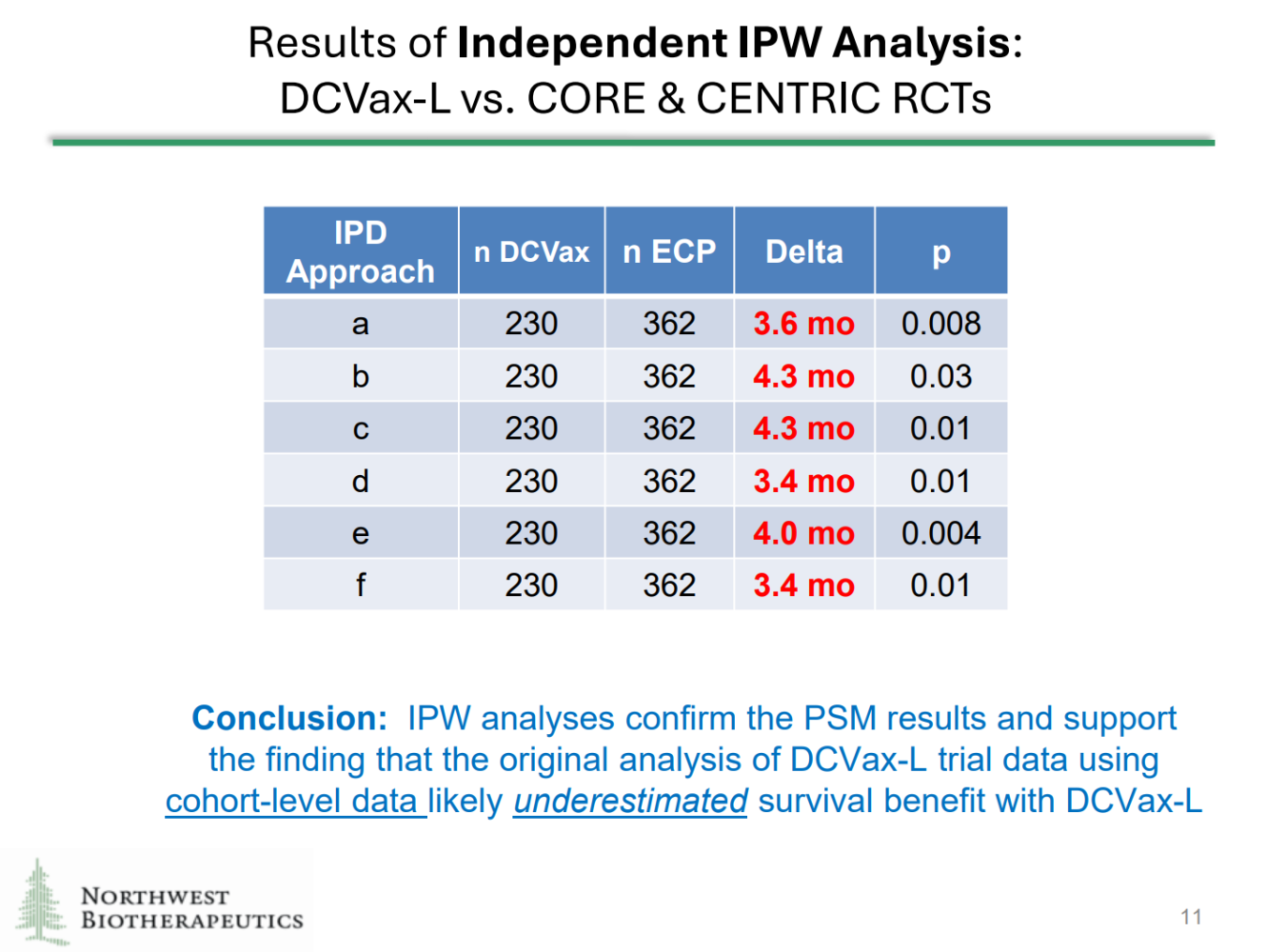
So from this analysis we understand why and how the landmark Phase III trial published in JAMA Oncology demonstrated a statistically significant extension in overall survival for both newly diagnosed and recurrent GBM. Importantly, silencing which commented on this journal publication back in 2022, the company has also recently published multiple independent propensity-score matching and inverse-probability weighting re-analyses. Why should you care as a potential investor? As a prerequisite for trial enrollment, the FDA mandated a crossover design on ethical grounds and to ensure that patients would actually participate in the trial.
Given this design no placebo existed thus the company modified their Statistical Analysis Plan before data lock to evaluate Overall Survival Results verses Contemporaneous External Controls. From the propensity analysis, which uses patient data from those external trials, we now know the landmark Phase III trial results were absolutely statistically significant and not due to chance. In fact the company actually reported the precision of results improved through these new analysis. Importantly the trial showed DCVax had a pristine safety profile. Unlike CAR-T it was shown that DCVax-L happens to be free of cytokine storms or severe autoimmune events.
In my opinion this will lead to rapid market uptake since unlike CAR-T (which carries an FDA Black Box Warning) and Tumor Infiltrating Lymphocyte (which has serious side effects) therapies the patient does not have to risk stays in critical care or the emergency room nor does administration of the dose require invasive in patient care. From all of this data it becomes clear from a scientific perspective that DCVax-L provides key advantages over other treatments like checkpoint inhibitors which otherwise fail in cold tumors due to a lack of active pre-existing immune response.
Crucially the October 2026 Cell paper “Cancer Plasticity and Histological Transformation as Adaptive Resistance Mechanisms in Precision Oncology“ demonstrates that single-target drugs regularly fail in aggressive cancers like glioblastoma because tumor cells adapt, shed single protein targets, and undergo “histological transformation” to evade single-point antigen attacks. Targeting a static mutation overlooks what a dynamic tumor, through neoantigens or entire tumor morphology, will evolve into tomorrow. This validates everything Northwest Biotherapeutics have been presenting, as discussed above, since the publication of their 2022 JAMA paper. It also directly explains why BioNTech’s BNT113 failed its primary PFS endpoint in the Phase 2/3 AHEAD-MERIT trial for HNSCC. Relying on a fixed, narrow set of antigens (HPV16 E6/E7) creates an evolutionary bypass. An autologous whole-tumor platform captures the entire, evolving antigen repertoire deterministically.
This exact evolutionary trap is why Moderna and Merck’s recent Phase 3 INTerpath-001 trial for mRNA-4157 produced such disappointing incremental results. Charging upwards of $400,000 to guess a maximum of 34 static neoantigens, only to deliver a marginal hazard ratio that relies almost entirely on $180,000 worth of underlying Keytruda monotherapy, isn’t personalized medicine. Picking 34 static targets while dynamic tumor plasticity triggers lineage transdifferentiation and antigen escape guarantees that un-targeted sub-clones will simply evolve, survive, and cause recurrence. You cannot out-compute a mutating tumor with stochastic AI guessing. Without broad, deterministic autologous whole-tumor presentation, you are merely paying half a million dollars to hand cancer a roadmap for adaptive escape. An autologous whole-tumor platform like DCVax-L captures the entire, evolving antigen repertoire deterministically, shutting down those escape routes before plasticity can occur.
II. Manufacturing and Commercial Supply Chain
Waiting to build manufacturing after approval was a key factor in the bankruptcy of Dendreon as well as BlueBird Bio. Drug approvals are meaningless unless the product avoids negative carry thus generates free cash flow for shareholders. Retail valuation models frequently stumble by assuming commercial manufacturing must be built from scratch post-approval nor do they consider revenue over time when determining an appropriate share price today. Northwest Biotherapeutics has systematically eliminated this execution risk through structural partnerships which will expand globally as time passes.
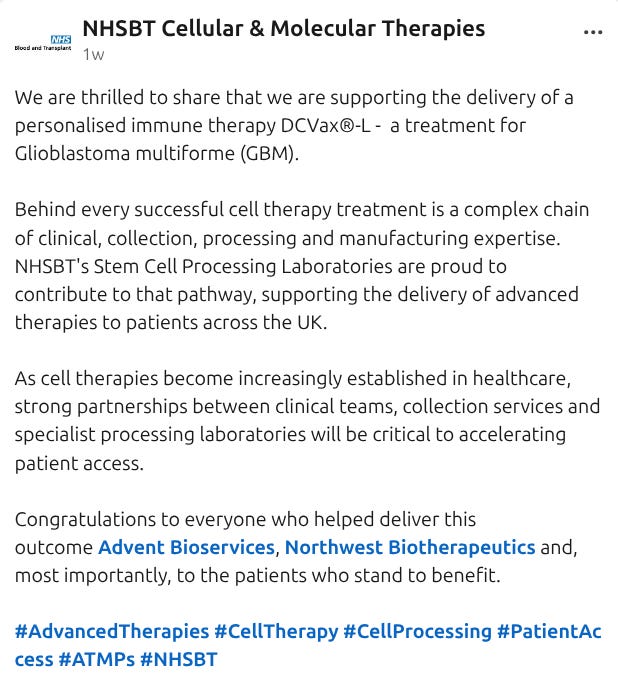
Investors and the UK public learned in October 2026 that the UK National Health Service Blood and Transplant (NHSBT) Therapeutic Apheresis Services (featuring operational nodes in Leeds and Oxford) are actively performing patient collections under a streamlined 2-week referral pathway. Crucially, NHSBT has confirmed that network expansion is probable in advance of formal marketing authorization. This development is critical because it signals that the UK NHS has evaluated DCVax-L and decided to integrate themselves into Northwest Biotherapeutics’ manufacturing supply chain. By doing so when the therapy receives approval the UK government will have the ability to treat patients immediately. If the UK did not have these logistical prerequisites in place before approval then it would be a political disaster given recent attention given to the lack of treatments for UK glioblastoma patients.
See the file Andrew Caravello provided as a source for this article:
NHS_Email_Correspondence_Archive_2026-10-17.pdf
Northwest Biotherapeutics acquired Advent Bioservices and their 88,000 square feet Sawston facility in 2025. The fact that these companies were separate since 2016 led critics to accuse Northwest Biotherapeutics CEO Linda Powers of “self dealing” through using shareholder dilution to fund her own CDMO business via Toucan Partners. Critics can look up this historical structure as it is beyond the scope of this article and now moot.
It’s important to note that their manufacturing facility spans a massive 88,000 square feet and combines traditional Class B / ISO 8 as well as newer Class C / ISO 7 clean rooms for use with their with automated bioreactor Flaskworks. In my review of their patents and company materials I posit this facility will scale commercial throughput from initial class B cleanroom baselines into tens of thousands of patient doses annually, while Sawston has the cold-storage capacity for 3 million vials per year (each patient receives approximately 8-10 does so that’s storage for 80,000-100,000 patients in a single <100,000 sqft GMP facility), through deployment of Flaskworks and additional Class C cleanrooms.
The benefits of DCVax-L have reached the Trump Administration, while prominent conservative commentator Steven Moore argued it should be included in expanded Right to Try, so I expect rapid approval using the CNPV Pilot Program upon BLA filing in the United States. In addition the company has disclosed manufacturing expansion in the United States while this model assumes global replication of the Sawston GMP footprint. Regarding US manufacturing expansion the company disclosed in May 2026:
“The Company has been pursuing separate parallel tracks to develop manufacturing in the US of the Company’s DCVax-L products and of the aDC1 products pursuant to the technologies of Dr. Kalinski that the Company has in-licensed. For the production of DCVax-L products, during the first quarter the Company completed the selection of a US company, contract negotiations and entered into a technology transfer agreement for development of DCVax-L manufacturing capacity by the US company.”
In 2025 Advent Bioservices leased a 10,000 square foot facility footprint at Unity Campus to scale manufacturing and facilitate research into infectious disease and autoimmune protocol development using a CL2 laboratory. I do not give this development any weight in my model though it shows the company have a long-term vision for DCVax-L.
III. DCF Model to Evaluate Northwest Biotherapeutics
In my model I apply a 10-year horizon for my DCF model followed by a terminal value calculation. It includes a 10-Year Explicit from years 1-10 including Terminal Value. I use a Discount Rate (WACC) of 11% to reflect risks that include additional global approvals, the expense of capital, and any ongoing manufacturing bottlenecks. I use a Terminal Growth Rate of 3% which means after year 10 the business will become a slower-growth company. My DCF model also accounts for 2.3B shares which shows the impact of dilution in context of the solid tumor market.
I expect the company will charge a blended rate of $175,000 for DCVax which may decrease over time as economies of scale become a factor. This price is in alignment with what the company currently charges for Compassionate Use in the UK and remains a fraction of the price for CAR-T or TIL therapies. Finally, I believe Free Cash Flow (FCF) margins will be around 35% at initial launch then scale up to 55-60% as high-margin global production becomes a reality for the company.
IV. 10-Year Financial Proforma
The model was creating using Python, and not AI, using my spreadsheet model as an input.
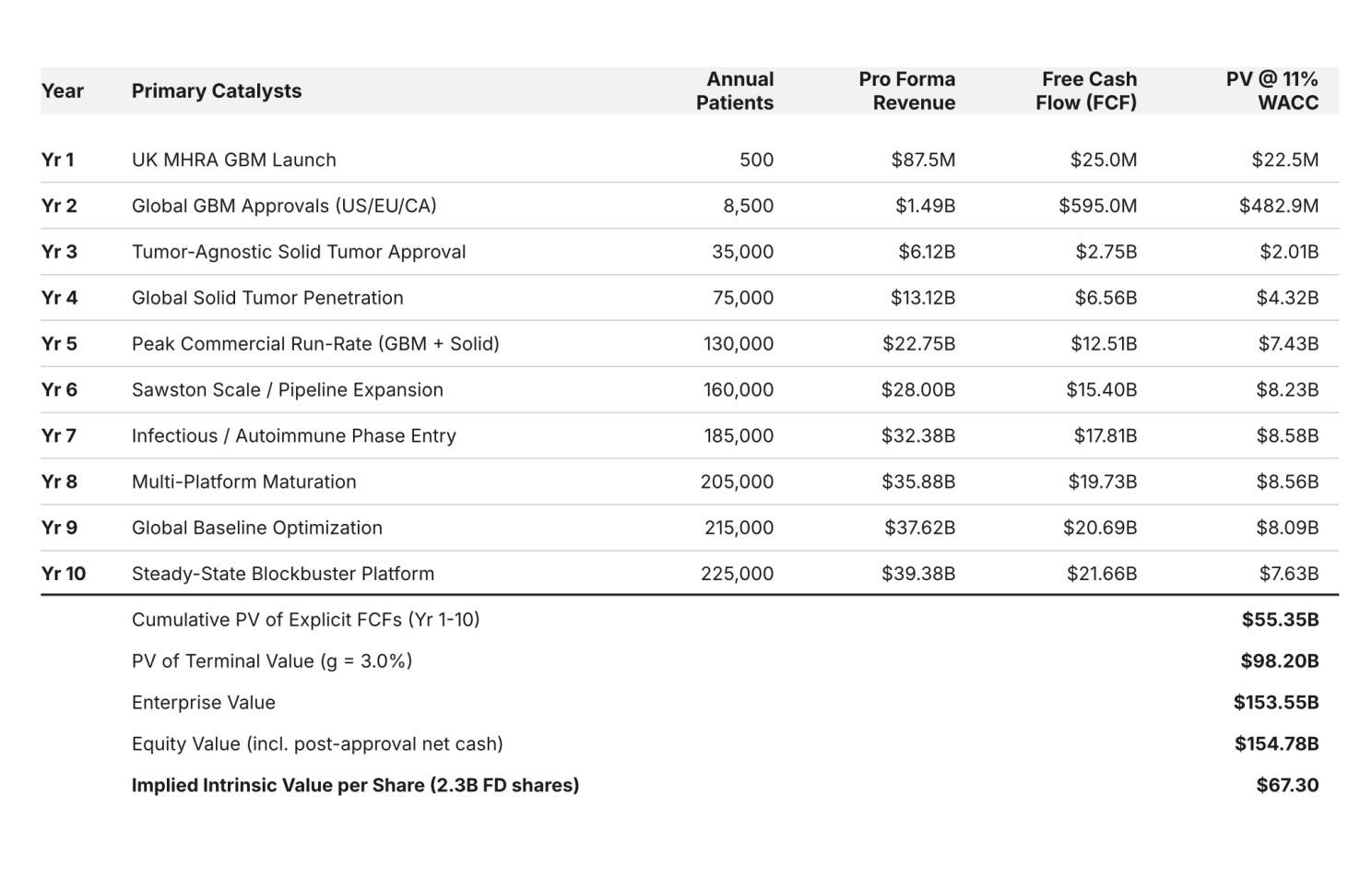
I created a spreadsheet, in Open Office format, of the actual model which the reader may adjust accordingly.
V. Per-Share Intrinsic Value Derivation
Lets go through the math that generated the pro forma to better understand how a company trading below one dollar could be valued so much after MHRA approval. Summing the discounted cash flows across Years 1 through 10 yields a cumulative explicit Present Value of ~$55.35 Billion. Applying the Gordon Growth Model based on Year 10 FCF ($21.65 Billion) and a 3.0% terminal growth rate produces a Terminal Value of ~$278.74 Billion ($21.65B × 1.03 / [0.11 - 0.03]). Discounting this Terminal Value back 10 years at an 11% WACC results in a PV of Terminal Value of ~$98.17 Billion ($278.74B / 1.11¹⁰).
Adding the cumulative explicit PV ($55.35B) to the PV of Terminal Value ($98.17B) yields an Enterprise Value of ~$153.52 Billion. Incorporating estimated post-approval net cash reserves of $1.23 Billion brings total Equity Value to ~$154.75 Billion. Dividing this total Equity Value by 2.3 Billion fully diluted shares results in an implied per-share intrinsic value of $67.30.
It is worth underscoring the deliberate conservatism embedded throughout this pro forma. By restricting the model to a mere 1.125% capture rate of annual global cancer incidence, and completely withholding pipeline optionality from autoimmune and infectious disease protocols, the valuation relies strictly on baseline oncology execution.
Benchmarked against the structural precedent of historical multi-indication blockbusters, such as the Keytruda baseline, which brought $31.7B in sales for 2025 and should double that by the mid 2030s, per year in revenue, capturing even this fraction of the addressable market drives extraordinary cash-flow leverage.
Consequently, all future label expansions beyond what checkpoint inhibitors like Keytruda treat, next-generation delivery optimizations, and cross-domain disease applications remain entirely unpriced free options for the enterprise thus protecting the core thesis from accusations of speculative overreach while preserving massive asymmetric upside.
In this model every dollar in the model comes from oncology. The pro forma table marks Year 7 as the point where I expect infectious and autoimmune programs to enter the clinic. However I have assigned no patients or revenue to those indications. I made this decision to avoid boosterism since no disclosed strategy for the CL2 lab yet exist. Though the relationship between dendritic cells and autoimmune response is well known.
Should milestones change I will adjust the model. For example should Flaskworks somehow fail to produce expected manufacturing results then the WACC, or discount rate, should be raised significantly. This device is integral to their business as it allows DCVax to scale globally which is something that CAR-T and Tumor Infiltrating Lymphocyte therapy have been struggling to accomplish.
VI. Conclusion
When evaluated through an institutional model like DCF we can see the actual post-approval value of this disruptive platform technology. Critics of this article will contend my assumption of manufacturing success and rapid global scale-up are naive as they have not yet been achieved. Yet these same critics have said that before every milestone was achieved by Northwest Biotherapeutics. Front-loading significant manufacturing work before approval will enable my DCF model to scale as without such infrastructure the company will be unable to launch parallel multi-indication basket trials which are key to rapid growth in total addressable market saturation. Therefore as a shareholder I can overlook the erosion in time value of money and massive dilution which occurred since data lock in 2020.
From these efforts I believe they will be the first company to deliver actual “off-the-shelf-like” personalized autologous immunotherapies to the global oncology market. Given that context it’s important to remember that Keytruda achieved blockbuster status (~$32B annually) by releasing the brakes on checkpoint inhibition. Critics may still claim Northwest Biotherapeutics has a terrible record so they will not be able to execute even after approval. Yet these naysayers ignore that Northwest Biotherapeutics recently brought on Dr Annalisa Jenkins as strategic advisor who has two decades of executive experience in pharma / biotechnology including CEO.
The public market currently prices this asset at bankruptcy. As I stated with Amgen that’s normal for the industry before a product enters the commercialization phase. Though investors should be aware of the toxic financing and decide if this investment actually makes sense for their goals. Yet, as my model shows on approval, that dilution risk becomes irrelevant due to the size of the oncology market. I will also note that Merck and Bristol-Myers-Squibb also have large authorized share counts. Once binary risk clears I believe institutional capital will take a position in this company.
NHS would not integrate itself into the supply chain for a therapy which won’t be approved.
The science is peer-reviewed.
The asymmetric arbitrage is obvious.
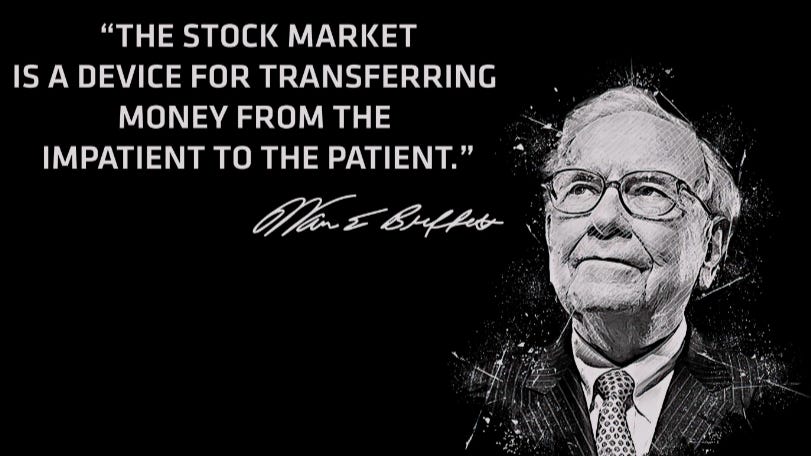
Ignore what Mister Market says today then predict what he will be saying tomorrow.
Disclosure: I hold shares of NWBO. I am not a clinician. I do not have a PhD in immunology, oncology, or structural biology. This is my opinion, not investment advice.